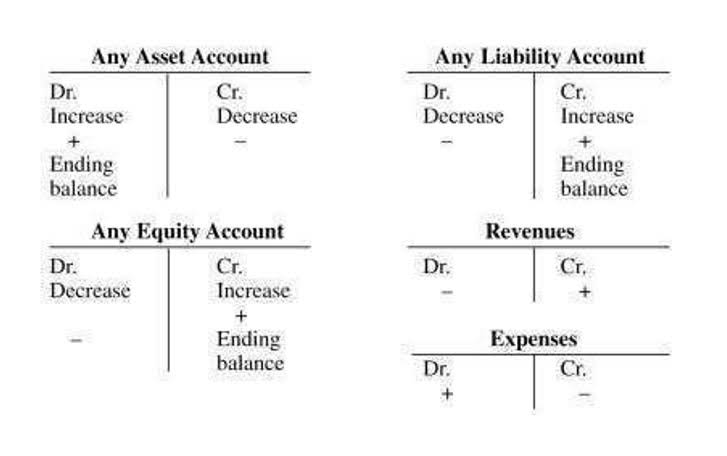
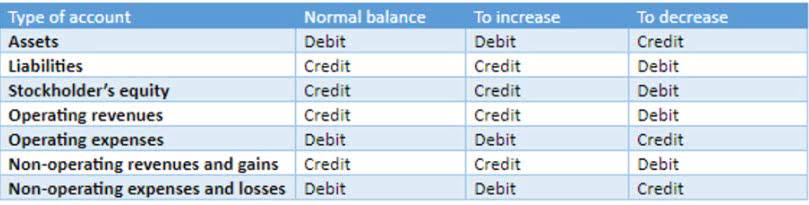
They are recorded as liabilities, reflecting the future service obligation. As the service (like property rental) is provided, this liability is reduced, and revenue is recognized. Regular reviews ensure that unearned revenues are correctly accounted for. Furthermore, clear protocols can ensure that unearned revenues are consistently and accurately recognized. Recognizing this depreciation is essential for accurate financial reporting. It impacts the property’s book value and the profit and loss statement.
A Comprehensive Guide to Real Estate Accounting
Accurate record-keeping is the backbone of effective real estate accounting. Many professionals underestimate its importance, leading to disorganization and potential legal issues. Maintaining detailed and accurate records of transactions, contracts, and communications is essential for operational efficiency and compliance with tax laws. A reliable accounting software realtor bookkeeping system can streamline record-keeping processes and make essential financial data more accessible. Embracing these tools and features can significantly enhance your rental property accounting efforts. Take advantage of the insights provided by QuickBooks to optimize your financial strategies effectively.

Personal Property Tax
Collaboration becomes easier as multiple users can access and update the same data in real time. This real-time collaboration ensures that everyone is on the same page, reducing errors and improving efficiency. Cloud solutions also offer enhanced security, ensuring that sensitive financial data remains protected. Moreover, regular backups ensure that data is safe and can be restored in case of any technical glitches. Real estate accounting involves recording, analyzing, and reporting financial transactions related to properties. It’s the backbone of a successful real estate business, guiding financial decisions and strategies.
Navigating Tax Deductions and IRS Guidelines for Real Estate Professionals
We’ll now provide you with an overview of some of the best real estate accounting software in the industry today. Blurring the lines between personal and business funds can lead to complicated tax issues and potential financial confusion. For transparency and accuracy, it is essential to set up separate bank accounts for your personal finances and your business transactions. This allows you to clearly track your real estate-related income and expenses separately from your personal expenses. Remember, mingling personal and business funds can raise red flags during audits and may impact your ability to accurately analyze your business’ financial performance. https://www.bookstime.com/ Keeping these funds separate is a best practice in real estate accounting that contributes to the overall financial health and integrity of your business.
- This includes regular financial reporting and aligning property management with broader business goals.
- Good real estate accounting practices, such as transparent financial reporting and fiscal responsibility, build trust.
- Both traditional, brick-and-mortar banks and online institutions offer attractive banking options, so shop around before deciding where you want to park your hard-earned money.
- In the real estate industry, trust is built on transparency, and these reports play a pivotal role in that.
- You must comply with how your county, city, or state regulates real estate income, such as state tax obligations or business license requirements.
- Accurate tax planning ensures that businesses optimize their tax strategies and remain compliant.
The Internal Revenue Service (IRS) uses Schedule E to define important business itemizations. Familiarize yourself with these deductions and other relevant categories on https://x.com/BooksTimeInc this list in order to properly manage your expenses and income streams. Handling the accounting for your real estate practice doesn’t have to be a major hassle. A strong foundation in accounting best practices paves a smooth path for your business to flourish and win new clients. Keep in mind, though, bookkeepers differ from accountants as they cannot file taxes or perform audits like certified public accountants.